The Approach

Roots, not branches

I treat the root, not the branch, because that is the only place change tends to hold. The presenting difficulty is information, it is not the destination.

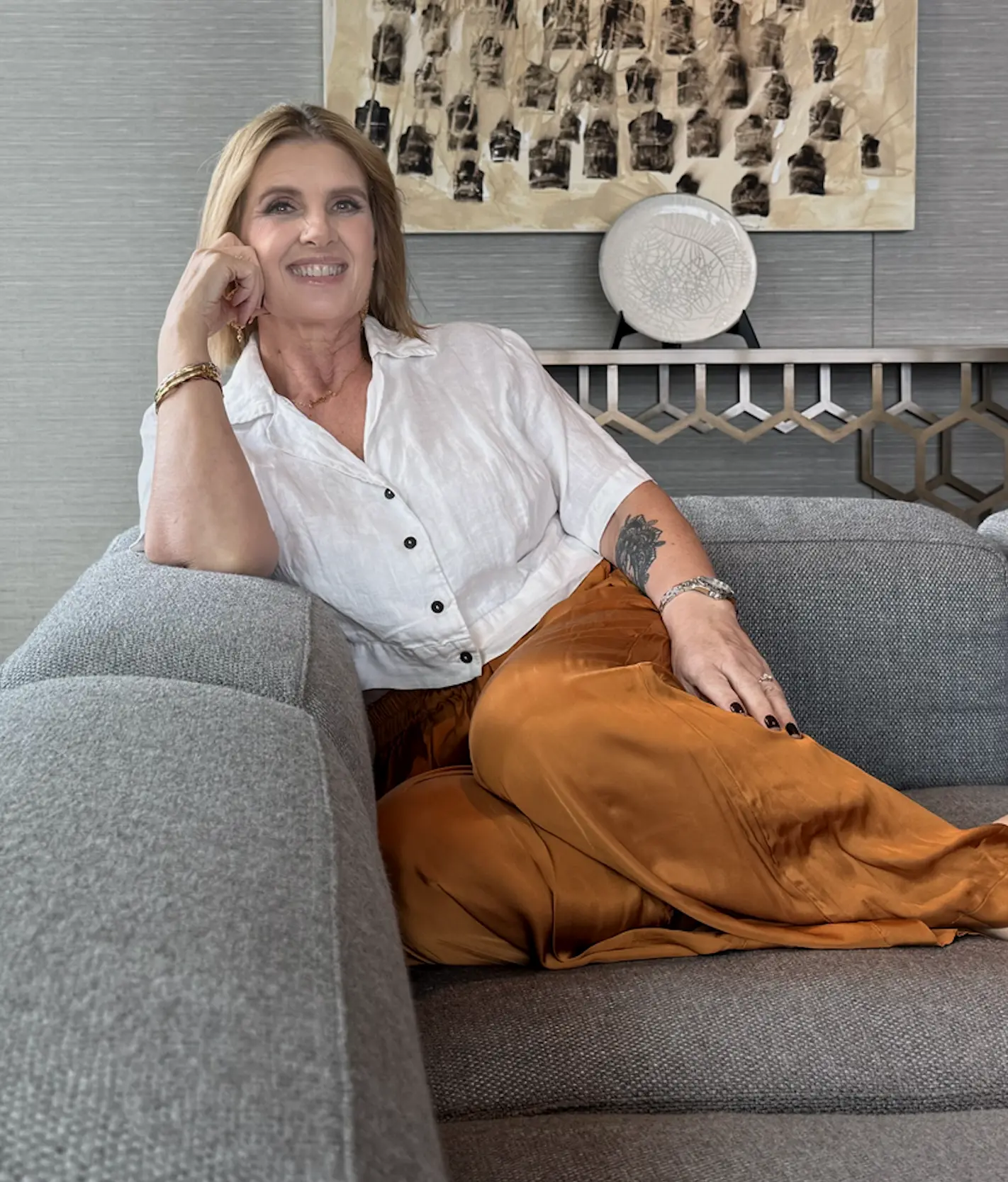
Martine Coates seated on a sofa in a calm, private room

The 4 Key Pillars

01

Understanding the bigger picture

Every family or couple settles into roles, some spoken, most never named, and each person communicates theirs differently, some loudly, some through silence. I look at how those roles formed, and how they play out across the whole system, consciously and unconsciously.

02

Timing matters more than urgency

Crisis can make a family want to move fast. What actually matters is enough safety and trust for the work to hold, whether that's built through online sessions at a manageable pace, or through an intensive when a family wants to go deeper sooner.

03

Collaboration is a safety factor

Collaboration with a doctor, a family lawyer, a wealth consultant, or your children's school can move the work faster and help a family reach what they're after sooner, and its often part of how I work. None of it happens without your explicit agreement.

04

The relationship is the asset

In families where a great deal has been built, the relationships are the part that has been least tended. That is the part I work on.

Our approach

We get to the root,
not just the branches.

Many families come to me with complex and distressing problems — the visible leaves and branches. I work beneath the surface to understand what is driving these challenges, because that is where lasting change happens.

My approach is integrative, relational and practical. It draws on evidence-based psychological methods, somatic awareness and systems thinking, and is always tailored to the unique needs of each family.

Mind

Understanding thoughts, patterns and emotional responses.

Body

Working with the nervous system to regulate, restore and build resilience.

Relationships

Strengthening connection, communication and relational safety.

System

Considering the wider family, school and professional context.

When these elements work together, individuals, relationships and families can move from survival to a more connected, regulated and fulfilling way of living.

“Lasting change happens at the root.”

Martine Coates

Where the work stops

Knowing the limit is part of the expertise

I do not diagnose, and I do not treat acute mental illness. I do not manage acute risk. Fifteen years in child and adolescent services in Australia, latterly as a senior clinician, is what allows me to recognise those situations quickly and say so plainly.

I hold neurodevelopmental presentations such as autism and ADHD as a pressure on the whole system rather than a diagnosis to treat. Where a family needs a psychiatrist, a paediatrician, or a specialist service, I say so, and help you understand what kind of specialist might help.

I do not offer standalone individual psychotherapy, and I do not work for the referring school, lawyer, or company. A school is a referring or liaison party, never the contracting client. The family is the client.

Where referrers fit

For advisors, lawyers, family offices, and schools

Explore services

Most families reach me through someone they already trust. A private client lawyer, a wealth advisor, a family office, a doctor, a head of school.

The individual, couple or family referred is always my client, and I take seriously what a referrer already understands about them, their history and what matters most to get right. Where it helps, I'm glad to work directly with a referrer, always with the family's consent, and any liaison sits as a billable part of the family's engagement, with the family deciding throughout what is shared. A referrer can trust the work is held with the same care and judgement they'd expect from any specialist they bring in, and I respect what they're hoping for the family as much as they do.

That boundary is what makes a referral to me low risk for the person making it.

Make a confidential referral